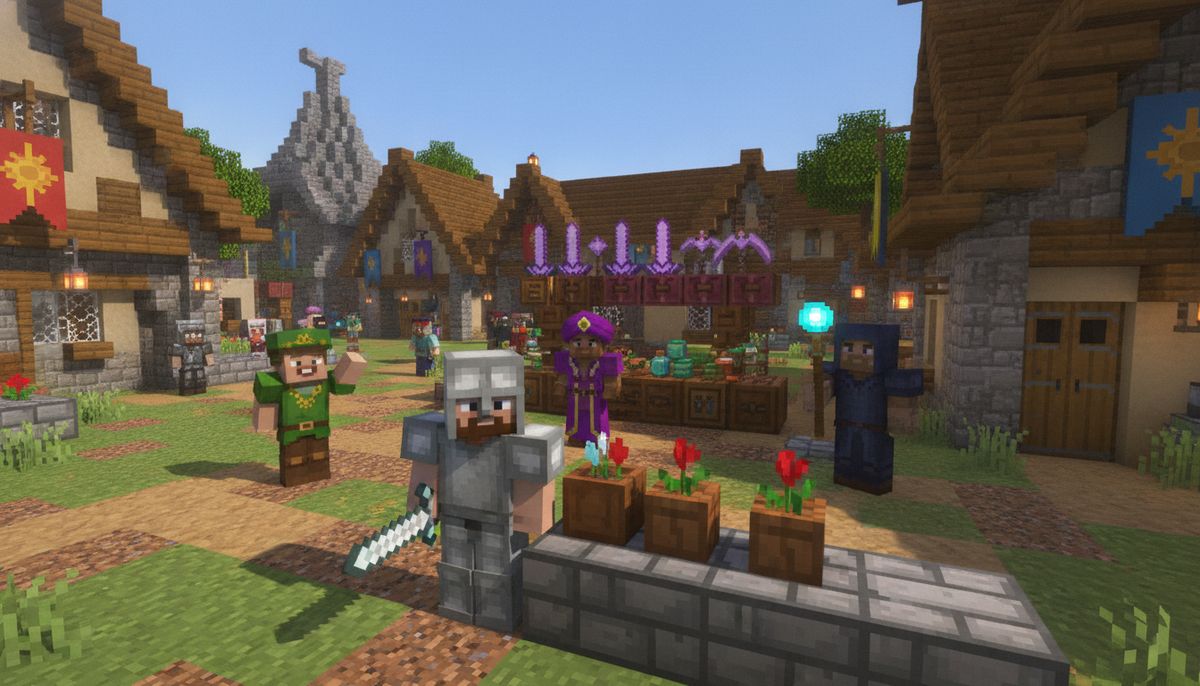
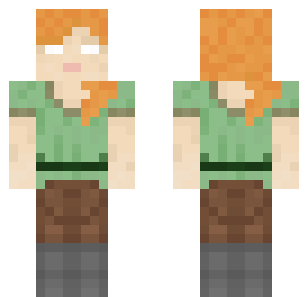
Custom NPCs transform empty Minecraft worlds into living, breathing communities. Guards patrol your castle walls. Merchants offer rare trades. Quest-givers send you on adventures. These characters add purpose and personality to your builds, turning static structures into dynamic locations.
Minecraft Bedrock Edition supports custom NPC addons that let you place interactive characters anywhere in your world. Unlike vanilla villagers with limited functionality, these addons give you full control over dialogue, behavior, appearance, and trading options. You can populate medieval towns with peasants and knights, staff modern cities with shopkeepers and workers, or create fantasy realms filled with unique characters.
The best NPC mods balance functionality with performance. They provide intuitive interfaces for customization while maintaining smooth gameplay across mobile, console, and PC platforms. This guide covers the top custom NPC addons available for Bedrock Edition, from simple villager replacements to complete NPC creation systems.
More Character and Roleplay Content
Explore hundreds of roleplay addons, character skins, and interactive gameplay modifications.
Browse Collection →Why Use Custom NPC Addons
Vanilla Minecraft offers villagers, but their functionality stops at basic trading and breeding. Custom NPC addons expand these possibilities exponentially. You can script conversations, create custom shops with specific items, set patrol routes for guards, and design quest systems that reward players for completing tasks.
These addons shine in multiplayer servers and roleplay scenarios. Populate your kingdom with citizens who react to player actions. Create dungeon crawlers where NPCs provide story context and reward exploration. Build adventure maps with guided narratives delivered through character dialogue. The applications extend far beyond single-player survival.
Performance remains stable when properly configured. Most quality NPC addons optimize entity behavior to prevent lag spikes. They use efficient spawning systems and limit active AI processing to nearby characters. Even worlds with 50-plus NPCs maintain acceptable frame rates on mid-range devices.
NPC Creator and Manager Addons
Dedicated NPC management systems provide the most flexibility. These comprehensive addons let you design characters from scratch, customize every aspect of their appearance and behavior, and place them precisely where needed.
Advanced NPCs Bedrock offers the most complete NPC creation system available. You define custom skins by importing character models or selecting from preset options. The dialogue system supports branching conversations with multiple response choices. Players click NPCs to open chat interfaces where they can select from predefined options you configure. The trading interface mirrors vanilla mechanics but accepts custom items and prices.
Commands control NPC behavior. Set patrol paths by recording your movement through waypoints. NPCs follow these routes continuously or on schedules you define. Guard behaviors make characters attack hostile mobs or specific entities. You can make shopkeepers stationary while hunters wander designated areas.
Citizens Plus focuses on simplified setup for quick implementation. Rather than complex command strings, it uses menu-driven interfaces accessible through settings. You spawn NPCs from inventory items, then right-click to access customization menus. Select roles like Guard, Trader, or Companion, and the addon applies appropriate behaviors automatically.
The trading system in Citizens Plus uses currency items you designate. Emeralds work by default, but you can specify custom tokens from other mods. Guards automatically attack zombies, skeletons, and creepers within 16 blocks. Companions follow designated players and provide inventory storage.
Quest NPC System specializes in adventure map creation. NPCs deliver quests through dialogue trees you script using JSON files. Players accept quests, complete objectives, and return for rewards. The system tracks quest progress per player in multiplayer environments.
Quest objectives include collecting items, reaching locations, defeating mobs, or interacting with other NPCs. Rewards can be items, experience points, or currency. Chain quests together to create multi-stage storylines. The addon integrates with scoreboards for advanced progression tracking.
Villager Enhancement Addons
Some addons improve vanilla villagers rather than replacing them. These mods maintain compatibility with existing village mechanics while adding new professions, trades, and behaviors.
Expanded Villagers adds 15 new professions to existing village structures. Blacksmiths now sell enchanted diamond gear. Lumberjacks trade rare wood types. Hunters offer food and animal products. Each profession has distinct clothing textures and workstation blocks.
Trade balancing makes these villagers valuable without being overpowered. High-tier items require substantial emerald investments plus rare materials. You cannot simply buy unlimited diamond armor—you need gold ingots, redstone, and multiple emerald stacks per piece.
Villager Guards transforms some villagers into defensive units. When hostile mobs approach villages, designated guard villagers equip iron swords and engage threats. They have increased health pools and deal more damage than iron golems. Villages spawn 2-4 guards based on population size.
Guards remain passive toward players unless attacked. They patrol village boundaries rather than standing idle. At night, they concentrate near beds and gathering points. This addon pairs well with village expansion builds where you want active defense without placing iron golems manually.
Master Traders overhauls the vanilla trading system with specialized merchants. These NPCs appear in custom trading halls you construct. Each merchant focuses on specific item categories: building blocks, redstone components, farming supplies, or combat equipment.
Prices scale with item rarity and utility. Stone blocks remain cheap while glazed terracotta and prismarine cost significantly more. The addon prevents trade locking—merchants always restock after brief cooldowns. This makes them reliable sources for large construction projects.
Combat and Guard NPC Addons
Military NPCs add security and combat functionality to your worlds. These characters patrol territories, engage hostiles, and protect designated areas.
Castle Guards Complete provides medieval military units. Knights in full plate armor patrol castle walls. Archers man towers and engage threats at range. Sergeants command guard units and provide quest interfaces. Each unit type has distinct combat stats and behaviors.
Guards attack undead mobs, pillagers, and hostile players in PvP-enabled servers. You set patrol routes by placing waypoint markers. Guards move between markers continuously, stopping to engage any threats within detection range. Detection extends 24 blocks during day, 16 blocks at night.
Customization includes armor sets, weapon types, and aggression levels. Passive guards only defend when attacked. Defensive guards engage hostile mobs. Aggressive guards attack any entity not designated as friendly. Friendly entity lists are player-defined using command interfaces.
Modern Security Forces brings contemporary guards to modern builds. Security guards in uniforms patrol city streets. Police officers respond to designated emergency points. SWAT teams handle high-threat scenarios in adventure maps.
These units use modern weapons from compatible firearm addons. Security guards carry pistols, police wield shotguns, and SWAT teams deploy rifles. They have higher health and damage output than medieval guards. Detection range extends to 32 blocks.
Response systems make these NPCs dynamic. Place emergency call boxes that teleport nearby security forces when activated. Officers converge on locations where players trigger alarms. This creates reactive security systems for roleplay servers.
Merchant and Trader Addons
Custom merchants offer trades vanilla villagers cannot provide. These NPCs sell addon items, custom gear, and specialty goods.
Traveling Merchants Guild spawns wandering traders with rotating inventories. Merchants appear randomly in worlds every 2-3 in-game days. Each carries unique items based on their specialization: exotic foods, rare building materials, or magical artifacts from compatible magic mods.
Inventories refresh each spawn cycle. You might encounter a spice merchant selling custom food ingredients one visit, then a gem trader offering rare crystals the next. Prices run higher than standard villagers, but items often cannot be obtained elsewhere.
Merchants remain in-world for 20 minutes before despawning. Find them during their visit or wait for their next appearance. Some servers implement summoning systems using specific item combinations.
Resource Exchange Network creates specialized traders for bulk transactions. These stationary NPCs buy and sell resources in large quantities. Stone merchants trade all stone variants. Wood traders handle every log and plank type. Ore dealers purchase raw materials.
Bulk trading offers discounts on volume purchases. Buying a single diamond costs 8 emeralds, but purchasing a stack reduces the per-item price to 5 emeralds each. This encourages large-scale trading for major building projects.
The exchange network integrates with ores and resource addons. Custom minerals appear in trader inventories when compatible mods are installed. This provides legitimate acquisition methods for modded materials.
Black Market Traders add illegal commerce to roleplay worlds. These hidden NPCs sell contraband items: TNT, spawner eggs, mob heads, and restricted blocks. They operate from concealed locations requiring discovery.
Access requires reputation points earned through completing shady quests. Early reputation stages unlock basic contraband. Higher levels provide access to rare items like nether stars, elytra, and custom addon gear. Prices remain steep—expect to pay 32+ emeralds for premium items.
Security adds challenge to black market trading. Guards from compatible addons attack players caught near black market locations. Some implementations require passcodes or special items to access trader interfaces.
Quest and Story NPCs
Story-driven addons use NPCs to deliver narratives and structured gameplay progression. These mods work best in adventure maps and roleplay servers.
Story Weaver System provides a complete quest framework. NPCs deliver main storylines, side quests, and repeatable tasks. Quest givers display exclamation marks above their heads when offering new content. Completed quests show check marks.
Quest tracking appears in sidebar displays showing active objectives. Players view quest logs listing current tasks, completed quests, and available rewards. The system supports up to 50 concurrent quests per player in multiplayer environments.
Dialogue varies based on quest progress. NPCs say different things when you first meet them versus after completing their questline. This creates evolving relationships between players and characters. Some quests unlock only after finishing prerequisite chains.
Interactive Townfolk populates settlements with citizens who remember player actions. Help a farmer by retrieving stolen crops, and they offer discounts on future trades. Ignore a blacksmith's request, and they charge premium prices.
Reputation systems track positive and negative interactions. High reputation unlocks exclusive trades and quest opportunities. Low reputation causes merchants to refuse service or charge inflated prices. Some NPCs become hostile if reputation drops too low.
Ambient dialogue makes towns feel lived-in. NPCs comment on weather, recent events, and player activities. They greet players differently based on familiarity. First meetings receive formal greetings while repeat visits get casual acknowledgments.
Customization and Installation Tips
Installing NPC addons requires proper configuration to avoid conflicts. Multiple NPC mods can coexist if they use different entity IDs and command structures.
Check entity limit settings before adding multiple NPC packs. Bedrock Edition worlds support maximum entity counts varying by platform. Mobile devices handle fewer entities than consoles or PCs. Reduce spawn rates if performance drops below 30 FPS.
Load order matters when combining addons. NPC manager systems should load first, followed by specialized NPC packs. Resource packs providing custom skins load last. Incorrect load order causes texture glitches or missing models.
| Addon Type | Load Priority | Notes |
|---|---|---|
| Core NPC Systems | Load First | Base functionality and commands |
| Specialized NPCs | Load Second | Guards, merchants, quest givers |
| Texture Packs | Load Last | Custom skins and models |
Backup worlds before installing complex NPC systems. Some addons modify entity behavior files that cannot be easily removed. If problems occur, restoring from backup prevents corruption.
Test NPCs in creative mode first. Spawn characters in controlled environments to verify behavior, dialogue, and trading functions work correctly. Adjust settings before introducing them to survival worlds where players interact with them.
Configure spawn rates based on world size. Small builds need fewer NPCs than sprawling cities. Aim for one NPC per 50-100 blocks in dense areas. Spread them further in open landscapes.
Performance Optimization
NPC addons impact performance more than static content mods. Active AI processing, pathfinding calculations, and entity rendering consume system resources.
Limit active NPCs to reduce load. Use spawn systems that activate characters only when players enter specific areas. Deactivate distant NPCs outside render distance. This maintains immersion while preserving frame rates.
Disable unnecessary AI features. If NPCs only need to stand and talk, disable pathfinding and combat systems. Stationary characters use minimal processing power.
Reduce NPC density in multiplayer servers. Ten players each spawning five NPCs creates fifty active entities. Set server-wide NPC limits and implement role systems where specific players manage NPC deployment.
Optimize trading interfaces. Menu-driven systems perform better than command-based ones. They reduce text processing and minimize player input errors.
Use LOD (level of detail) compatible NPC models. Some advanced addons include reduced-polygon versions for distant characters. This maintains visual density without rendering full details beyond useful range.
Combining NPCs with Other Addon Types
NPC addons integrate well with complementary mods, creating richer gameplay experiences.
Pair guard NPCs with weapons mods for varied combat. Guards equipped with modded firearms or melee weapons provide diverse security forces. This works especially well in modern or futuristic builds.
Combine merchant NPCs with food and cooking addons. Traders sell custom ingredients, recipes, and prepared meals. This creates functional restaurants and marketplaces where players actually purchase modded consumables.
Link NPCs to furniture mods for interactive environments. Shopkeepers stand behind counters. Librarians sit at desks. Guards lean against walls during idle states. Environmental interaction makes characters feel integrated rather than placed arbitrarily.
Connect quest NPCs with maps content. Adventure maps benefit from guided narratives delivered through character dialogue. NPCs provide context, objectives, and rewards that make exploration purposeful.
Integrate with roleplay addons for complete immersive experiences. Job systems, currency mods, and social mechanics complement NPC interactions. Players adopt roles that interact naturally with populated worlds.
Choosing the Right NPC Addon for Your World
Select addons based on build style and gameplay goals. Medieval kingdoms need guards and villagers. Modern cities require contemporary merchants and security. Fantasy realms benefit from quest givers and magical traders.
Consider technical skill level. Comprehensive NPC systems like Advanced NPCs Bedrock offer maximum flexibility but require learning command structures and configuration files. Simplified addons like Citizens Plus provide immediate functionality with minimal setup.
Multiplayer versus single-player affects addon choice. Server environments need performance-optimized systems with player-specific quest tracking. Single-player worlds can use more resource-intensive addons with complex AI.
Build size determines NPC quantity needs. Small villages function with 5-10 characters. Cities require 30-50 NPCs for proper atmosphere. Massive metropolises might implement 100+ NPCs using zone-based spawning.
Platform limitations guide selection. Mobile devices handle fewer active NPCs than consoles or PC. Choose lightweight addons if playing on smartphones or tablets. Desktop players can run more demanding systems.
Compatibility with existing mods matters. Check whether NPC addons conflict with your current addon list. Some systems override entity behavior in ways that clash with mob modifications or combat overhauls.
Start with one core NPC system rather than mixing multiple manager addons. Add specialized NPC packs afterward. This prevents command conflicts and entity ID overlaps.
Recommended Addon Combinations
Medieval Roleplay Setup: Advanced NPCs Bedrock (core) + Castle Guards Complete + Villager Guards + Expanded Villagers. This creates fully populated medieval worlds with diverse characters and functional defense systems.
Modern City Build: Citizens Plus (core) + Modern Security Forces + Resource Exchange Network. Contemporary NPCs with streamlined management for urban environments.
Adventure Map Creation: Quest NPC System (core) + Story Weaver System + Interactive Townfolk. Complete narrative framework with memorable characters and dynamic quest progression.
Trading-Focused World: Master Traders + Traveling Merchants Guild + Resource Exchange Network. Multiple merchant types providing comprehensive commerce options.
The right NPC addons transform static builds into living worlds. Characters provide purpose, interaction, and atmosphere that empty structures lack. Whether you need quest-giving villagers, patrolling guards, or specialized merchants, Bedrock Edition offers robust NPC solutions. Start with a core management system, add specialized character packs, and configure them to match your world's theme. Your builds will never feel empty again.